
Hammer Time: How Comic Book Auctions Reshape the Market and the Mythology
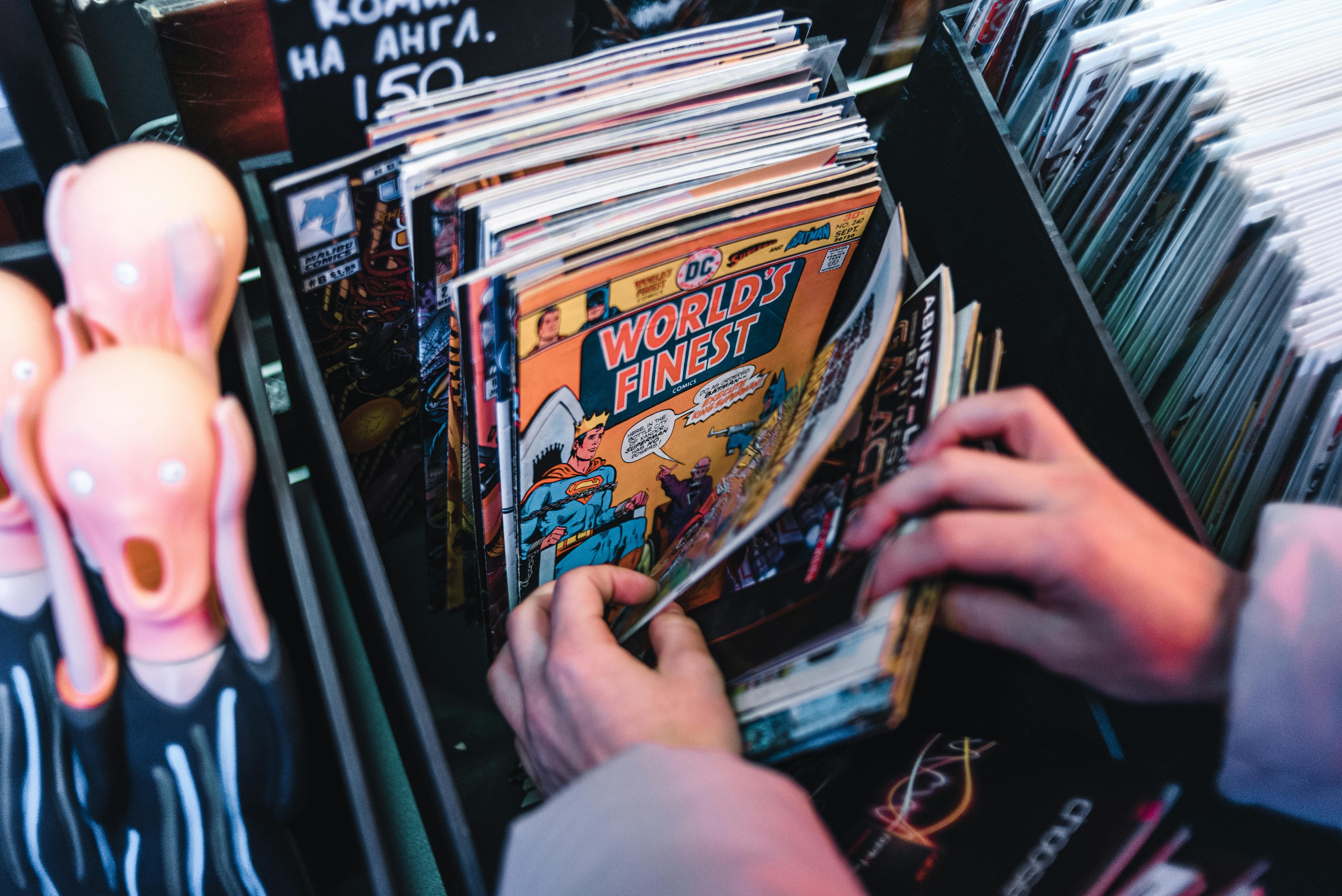
You might visit your comic books shop weekly or get your pull list mailed. But you’ve probably also visited eBay and Whatnot for a comic book auction or bid on a back issue you were looking for.

In the ever-evolving world of comic book collecting, few forces have had as seismic an impact as the rise of high-profile auctions. Once relegated to niche catalogs and hushed dealer rooms, comic book auctions have exploded into the mainstream—complete with livestreams, bidding wars, and six-figure sales that rival fine art. These auctions don’t just sell comics; they shape the market, influence collector behavior, and redefine what it means to own a piece of pop culture history. And in the age of YouTube, where every CGC 9.8 reveal is a performance and every haul video is a flex, auctions have become more than transactions—they’re spectacles.

The Auction Boom: From Basement to Billion-Dollar Industry
Comic book auctions have existed for decades, but their cultural and financial clout skyrocketed in the 2000s. Companies like Heritage Auctions, ComicConnect, and Goldin began hosting events that treated comics like blue-chip assets. Suddenly, Action Comics #1 wasn’t just a nostalgic relic—it was a $3.25 million investment.
These auctions brought transparency to pricing, legitimacy to grading, and visibility to the hobby. Collectors could now track market trends in real time, watching as Amazing Fantasy #15, Detective Comics #27, and X-Men #1 climbed in value with each hammer strike.
But it wasn’t just Golden Age grails. Modern keys like Ultimate Fallout #4 (first Miles Morales) and Edge of Spider-Verse #2 (first Spider-Gwen) began appearing in auctions, often in pristine CGC 9.8 or 9.9 condition. The message was clear: the market wasn’t just about nostalgia—it was about momentum.
How Auctions Shape Pricing Trends
High-profile auctions act as price anchors for the entire market. When a CGC 9.8 copy of Batman Adventures #12 sells for $3,000 at Heritage, it sets a benchmark. Dealers adjust their prices. eBay listings spike. Speculators swarm.
This ripple effect is especially potent for key issues, first appearances, and low-print variants. A single record-breaking sale can turn a sleeper comic into a hot commodity overnight. And because auction houses often publish detailed sales data, collectors use these results to guide their purchases, submissions, and sales strategies.
Auctions also reveal emerging trends. When indie titles like Something Is Killing the Children or Department of Truth start appearing in high-grade slabs at major auctions, it signals a shift in collector interest. Suddenly, these books aren’t just cult favorites—they’re investment-grade assets.
The YouTube Effect: Collectors as Performers
Enter YouTube, the digital stage where collectors, investors, and speculators showcase their comic book lives. Channels like ComicTom101, Reggie Collects, Gem Mint Collectibles, and Very Gary Comics have turned comic collecting into content—complete with CGC unboxings, auction recaps, and speculation tips.
These creators don’t just report on auctions—they amplify them. A record-breaking sale becomes a thumbnail. A rare variant becomes a talking point. A CGC 9.9 becomes a mythic grail. And because YouTube is visual, the presentation of comics has shifted. Slabs are held like trophies. Covers are zoomed in and dissected. Value is emphasized as much as story.
This performative aspect has changed how comics are perceived. They’re no longer just personal treasures—they’re social currency. A collector’s worth is measured not just by what they own, but by how they present it. And auctions provide the drama, the stakes, and the spectacle that YouTube thrives on.
The Psychology of the Bid
Auctions tap into deep psychological currents—scarcity, competition, and status. When a rare comic hits the block, bidders aren’t just buying a book—they’re asserting dominance, claiming prestige, and participating in a ritual of value.
This psychology fuels bidding wars, especially for low-population slabs (comics with few high-grade copies). A CGC 9.8 of Teenage Mutant Ninja Turtles #1 isn’t just rare—it’s a badge of honor. And when two collectors want it, the price can soar far beyond market estimates.
Speculators watch these battles closely. A surprise sale can signal an opportunity. If Moon Knight #1 suddenly sells for triple its usual price, speculators may rush to buy raw copies, submit them for grading, and flip them before the hype fades.
The Role of Grading and Presentation
Grading companies like CGC, CBCS, and PGX play a crucial role in auction culture. A comic’s grade determines its value, and auctions often feature only the highest-grade copies. This has led to a surge in submissions, with collectors hoping to hit the elusive 9.8 or 9.9 jackpot.
Presentation matters too. Slabs are photographed professionally, often with lighting that highlights the cover art. Descriptions emphasize key features—first appearances, variant covers, signatures, and provenance. Some auctions even include pedigree collections, like the Mile High or Savage Dragon Collection, which add historical weight to the comic’s value.
The Market’s Future: Auctions as Gatekeepers
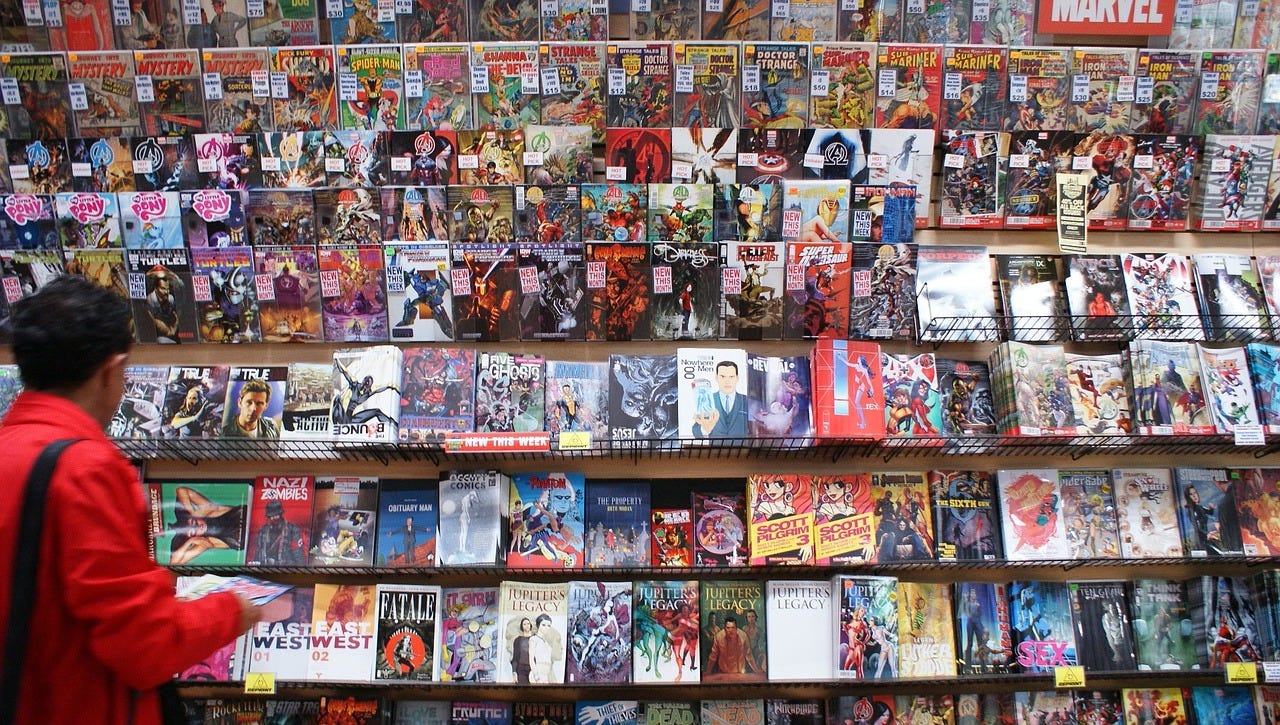
As the comic book market matures, auctions are becoming gatekeepers of legitimacy. They validate value, spotlight trends, and elevate comics from collectibles to cultural artifacts. They also provide a roadmap for new collectors, showing what’s hot, what’s rare, and what’s worth chasing.
But there’s a tension too. Some worry that auctions and YouTube hype are turning comics into commodities, overshadowing the stories themselves. When a comic is sealed in plastic and sold for five figures, is it still a narrative—or just an asset? For many, this duality is part of the magic. Comics are both art and investment, myth and merchandise. Auctions simply reflect that truth, magnifying it with every gavel strike.
The Collector’s Journey
Whether you’re a reader, investor, or somewhere in between, comic book auctions offer a window into the soul of the hobby. They reveal what we value, what we chase, and how we define worth. They’re not just about money—they’re about meaning.
So the next time you see Fantastic Four #1 hit the block, or watch a YouTuber unbox a CGC 9.8 grail, remember: you’re witnessing a ritual. A celebration. A moment where ink, paper, and passion collide. And in that moment, the comic isn’t just a book—it’s a legend.